Overseeding? Don’t be Overoptimistic with Clover
Livestock farmers who wisely delay clover overseeding in drought-affected pastures should proceed with caution if they plan to move forward. A combination of high rainfall and mild temperatures may present a favourable opportunity.
Clover is notorious for needing the right germination conditions
Clover is notorious for needing the right germination conditions. Consider every aspect and only then proceed, or there’s a risk of an expensive mistake.
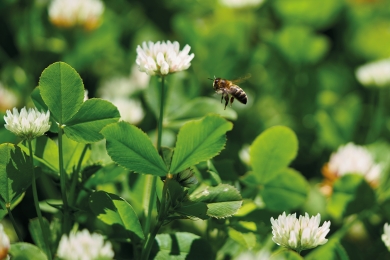
Clover establishes best between mid-March and mid-September, when soil temperatures are above 10°C and the seed is sown into moisture. At this time of year, we’d usually be advising against overseeding, but when it's less-than-perfect, opportunities need to be taken when they can.
However, that doesn’t mean to say it’s worth taking a less-than-perfect decision. The most important factors to get right, besides moisture and temperature, are soil fertility, pH, seed rate and depth, and the length of grass in the established sward.
Clover does not like nitrogen, don’t apply any bagged nitrogen to swards before seeding and limit any slurry applications to at least two-thirds the normal rate. Less nitrogen also prevents the grass from growing too quickly and outcompeting the clover, the same reason as it’s also important to cut the grass short before sowing.
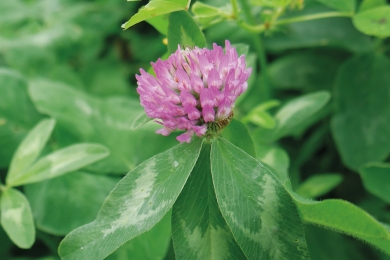
Clover’s also fussy about pH. It won’t deliver its full benefit in a soil that’s too acidic, so get it as close to 6.5 as you can.
With all these factors checked, it's best to be warned, especially to growers, to prepare carefully for overseeding if you choose to go ahead. Clover and grass seed have a different size and weight and can separate in the seed hopper. Good mixing is key to spreading and distributing the clover evenly through the field.
Sow at no lower than 1.0kg/acre; at this stage, it’s worth increasing by up to 0.5kg. And don’t sow too deep. Optimal sowing depth is 0.5 to 1cm; any deeper, and emergence will be compromised. Best results are usually achieved with a grass harrow and air seeder. Roll the field after sowing, which encourages germination.
If there’s any doubt about any factor, then it’s best to misjudge on the side of caution and wait until spring. Conditions will almost certainly be better in March; clover really doesn’t react well to a ‘suck it and see’ approach.
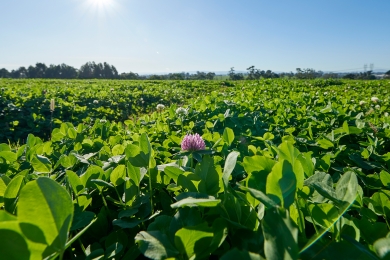

Prota Red
-
A blend of red clover varieties, to optimise performance across a variety of environmental and management conditions
-
Suited to cutting systems because of a more erect growth habit, deep taproot, and crown growing point
-
Fixes atmospheric nitrogen, up to 200kg N/ha/yr
Prota White
-
A blend of white clover varieties, to optimise performance across a variety of environmental and management conditions
-
Long growing season
-
Short term