
NutriFibre
Solution for dry and challenging soils.
-
Tolerant to periods of dry conditions
-
Nutritious and easy to manage swards
-
For Cutting & Grazing
-
Long term

Contains modern tall fescue varieties that are bred for soft leaves, mineral efficiency, digestibility, and effective fibre content
Tall fescues have deep rooting systems, making them more tolerant to periods of dry conditions than ryegrass
Tall fescue combined with one of our best ryegrass varieties makes for a nutritious and easy to manage sward
NUTRIFIBRE is the solution for grass production on dry land and drought-prone soils.
The foundation of NUTRIFIBRE is soft-leaved tall fescue, a development stemming from the Royal Barenbrug Group’s international breeding programme. NUTRIFIBRE technology combines mineral efficiency, high protein content, digestibility, effective fibre and drought tolerance.
The technology
Soft-leaved tall fescue, with strong, deep root systems and nutritious biomass, it is more tolerant to periods of dry as the grass is able to access water from deep in the soil.
The deep rooting habit of tall fescue makes it more resilient to the effects of climate change, including variable precipitation. Tall fescue is well suited to dry, light land as its roots can reach more than 100cm, compared to ryegrass which has roots primarily in the top 10cm (Figure 1).
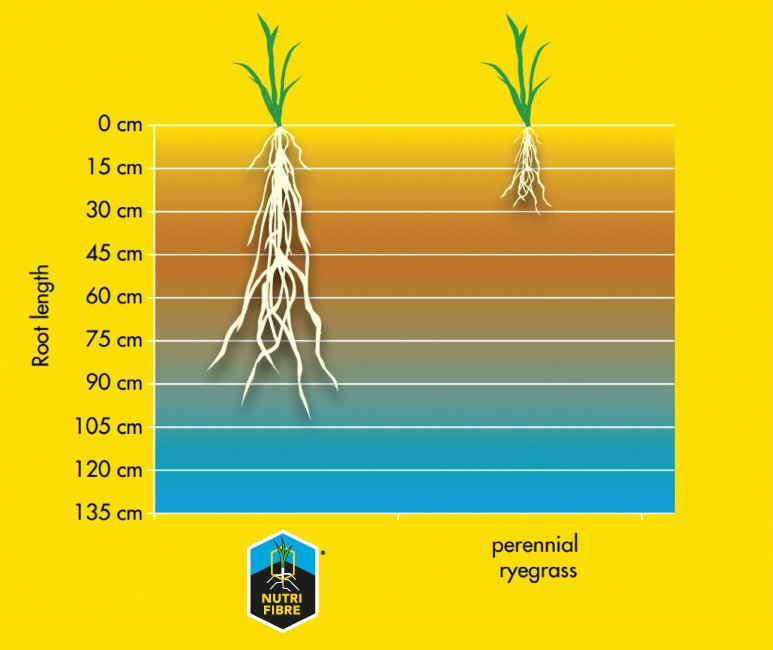
Figure 1. Difference in root length between NUTRIFIBRE and perennial ryegrass.
High digestibility
Joint research with a global leader in animal nutrition, Nutreco, showed that rumination increases with tall fescue, compared to Italian and perennial ryegrass (Figure 2).
The grass in tall fescue has cell walls that consist mostly of hemicellulose, the most digestible component of cell walls, which contributes to high feed value and high digestibility.
Effective fibre
Effective fibre stimulates rumen activity in cows, which is critical for healthy rumen function. Tall fescue’s effective fibre is in its leaves; therefore, it does not depend on flowering for fibre content.
Tall fescue establishment is slower than perennial ryegrass, but the plant is establishing significant below ground biomass in its extensive root system. Once the root system is developed, above ground biomass production increases, and the sward is more resilient to a variety of conditions.
Resilient to precipitation extremes
During extremely wet periods, tall fescue’s long roots act as channels through the soil, for improved drainage. During periods of drought the deep rooting system of the fescues enables the plant to uptake water and nutrients from the depths of the soil profile.
Efficient nutrient utilisation
Tall fescue’s deep roots make efficient use of nutrients available in deeper soil layers. Research in Europe demonstrates that NutriFibre produces more high-protein grass per hectare than other grasses, with the same nitrogen input (Figure 3).
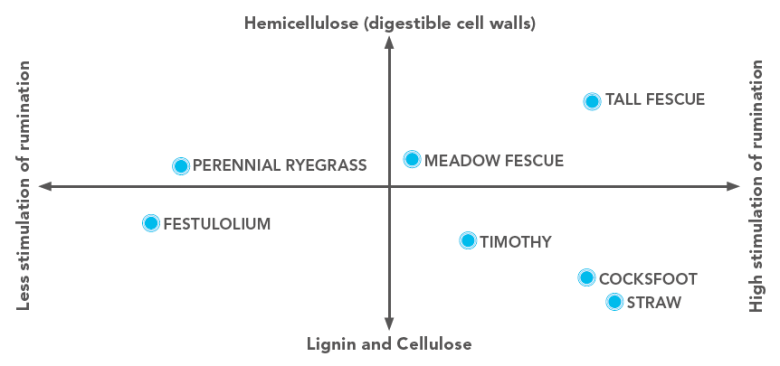
Figure 2. Difference between digestibility of cell walls and stimulation of rumen activity.
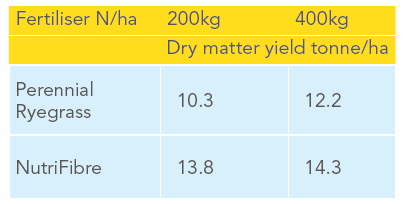
Figure 3. Difference in dry matter yield.
Grass cell wall structure is built from three different components:
Lignin, which is indigestible
Cellulose, of which cattle only digest one-third
Hemicellulose, which breaks down in eight hours, enabling cows to digest it completely
Composition
| Quantity | Variety | Species |
|---|---|---|
| 6.00kg | Tollymore | Intermediate Perennial Ryegrass Tetraploid |
| 4.00kg | Bardoux | Tall Fescue |
| 4.00kg | Barcuby | Tall Fescue |
Specifications
| Name | Value |
|---|---|
| Sowing rate/acre | 14kg per acre |
| Sowing rate/hectare | 35kg per hectare |
| Pack size | 14kg |
Characteristics
|
|
Northern Ireland |
|
|
Long Term |
|
|
Silage |
|
|
Mixed Livestocks |
|
|
Environmental |
|
|
AD |
|
|
England & Wales |
|
|
Scotland |