The Potential And Benefits To Grass
Grass, The UK's Farming Crop
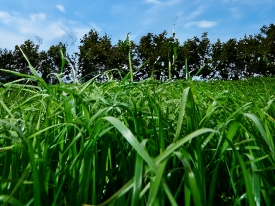
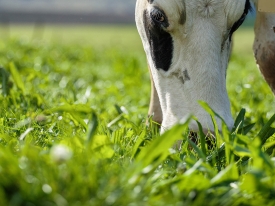
Good quality grazed grassland is the cheapest feed for ruminant livestock and is the base upon which profitable farming is built. Over 70% of utilisable agricultural land in the UK is grassland with nearly 57% given over as permanent pasture.
The UK has the ideal climate for growing grass. Ryegrass grows best between 5°C to 25°C, and most of the UK is between these temperatures 95% of the time.
Like other crops, grass requires proper management to optimise yields, benefit the environment, and enhance animal health and performance. It takes 17 years on average to release a new variety.
Armed with information about different forage types, management techniques and how grass grows, farmers can make informed choices about species, variety and mix selection; planting and establishment; management and persistence.
The Benefits of Grass & Forage Crops
Having grass and forage crops in your rotation and a grassland management plan can bring about a number of benefits to your farming businesses. These include:
• Flexible options to fit your rotation length and feed requirements
• Increased nutrient use through diversity of rooting depths and structures
• Reduction in leaching and soil erosion, protecting water quality
• Use of legumes can increase plant-available nitrogen in the soil
• Improved organic matter content, soil structure, soil stability and water capture and holding capacity
• Diverse and stable populations of soil microbial and insect populations
• Encouraging insect, pollinator, mammal, and bird populations
• Carbon sequestration
• High quality feed produced at home reduces the overall feed bill
• Some species can have anthelmintic properties
• An extended grazing season, decreasing housed feeding requirements

The Potential of Grass & Forage Crops
The UK has over 17 million hectares of managed grassland, and to get the most out of it, quality matters!
For top-notch forage, it’s essential to keep your leys in great shape and free from weed grasses that offer little to no nutritional value.
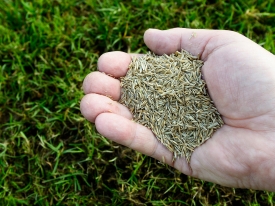
The secret to maximising your grass's potential? Focus on maintaining young, well-managed swards based on clover and ryegrass. This can be achieved by regularly reseeding or overseeding, which keeps your pastures productive and healthy.
Think of your grass like any other crop: by choosing the right grass seed products for your farm and reseeding regularly, you can significantly reduce milk and meat production costs.
And here's something worth considering: a small investment in your grass can make a big difference in its quality, productivity, and overall utilisation. A reseeding rate of just 10% is enough to maintain grass productivity, while a rate of 15% or higher will help you see real gains. On the flip side, fields that aren't reseeded will quickly become dominated by weeds that offer little nutritional value.