Growing Grass in Shaded Areas: A Guide to Success
A lush, green lawn is the ultimate goal for many gardeners. A thick, soft quality lawn can transform a garden from ordinary to extraordinary. However, achieving this perfect lawn can be challenging, especially in shaded areas. When trying to grow grass under trees, hedgerows, or canopies, it's essential to understand the unique requirements of shaded lawns.
Caring for shaded lawns requires a delicate balance of light and life. The interplay of sunlight and shadow creates an environment where only certain types of grass can thrive. This demands specialised knowledge and care to ensure the lawn receives the right amount of nutrients and water. But with the right shade-tolerant grass seed and a few extra steps, it's possible to cultivate beautiful, lush grass in shaded areas across the UK.
In this article, we'll explore the challenges of growing grass in shaded areas and provide tips and advice on how to overcome them. Whether you're dealing with limited sunlight or high moisture, we'll show you how to create a stunning lawn that will be the envy of your neighbours.
Why doesn’t grass grow under the shade?
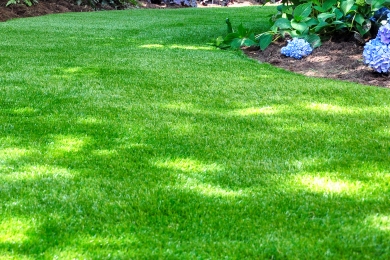
In shady areas, grass growth is often stunted, leading to a sparse and uneven lawn. Lawns in shade require special care due to the limited sunlight they receive. Most lawn grass species thrive in 4-6 hours of direct sunlight daily, but without it, they tend to deteriorate. Lawns under shady trees, such as oak, beech, or conifers, often struggle to survive as they receive up to 95% reduced sunlight in summer, and tree roots compete with the grass for water and nutrients.
Reduce the Shade
When it comes to a lawn with shade, many of us think that we're stuck with it. However, there are simple tasks that can be done to reduce the amount of shade in your garden, allowing more sunlight to reach your lawn.
Pruning back shrubs and trees is a simple yet effective way to increase sunlight onto your lawn. By cutting back branches that are growing too close to your lawn, you can allow more sunlight to reach the grass. Additionally, consider opting for trellises instead of solid fences where possible, as this can also help to increase sunlight exposure.
If there are any objects in your garden that are casting deep shade, such as large planters or statues, consider moving them to a different location. This can help to create more sunlight pockets on your lawn.
How to grow grass in a shady garden
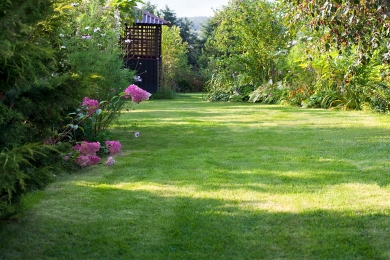
Growing grass in shaded conditions can be challenging, but the good news is that there are a few simple steps you can follow to increase your chances of success.
Prepare the soil:
To prepare the soil for your shaded grass, it's essential to remove any debris and aerate the soil to improve drainage and fertility. Removing leaves and other debris is a crucial step in managing your shaded lawn, as dead leaves can spread disease to the grass and create an environment conducive to fungal growth. In the absence of air movement, disease can quickly develop, making it essential to regularly clear away leaves and debris to prevent the spread of disease and maintain a healthy lawn. Additionally, adding organic matter like compost or peat moss will also enhance the soil's overall health and provide a nutrient-rich environment for your grass to thrive.
Selecting the grass seed mixture:
To grow grass where there is lack of sunlight, start by selecting a shade-tolerant grass specie, such as fine fescue or perennial rye grass, which are more adapted to low-light conditions. If your shady lawn is particularly damp, consider opting for a mix that includes more bent grasses (Agrostis species).
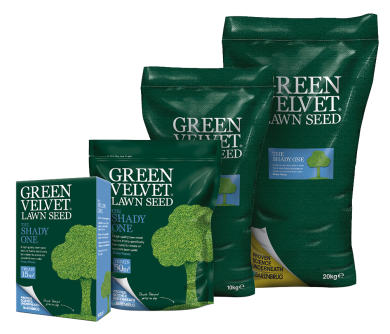
The Shady One, from our Green Velvet range has been specifically formulated to create an excellent lawn in shady places, whether your grass is in heavy shade or partial shade.
When to sow the grass seed blend is an equally important decision to make. In the UK, the ideal time to grow grass in a shady lawn is when temperatures consistently reach 15°C or higher, typically between spring and the end of summer. However, it's essential to monitor the weather forecast, as some regions may experience warmer temperatures earlier in the season, making it possible to sow grass seed earlier than expected.
Watering:
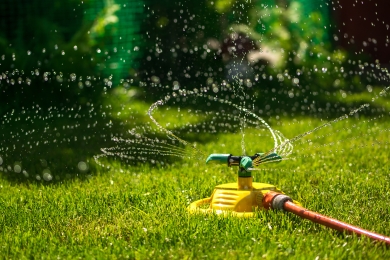
To maintain a healthy and lush shaded lawn, it's crucial to adopt a tailored watering approach that takes into account the unique conditions of shaded areas. Unlike sunny lawns, shaded lawns require a balance of moisture levels to prevent issues like disease and poor drainage.
Newly seeded or installed lawns need sufficient watering to prevent failure, but transitioning to deeper, less frequent watering encourages deeper root growth and a stable moisture base. Different types of shade, such as dense tree cover or structural shade, affect water requirements, so adjust your strategy accordingly. Be cautious of overwatering, which can lead to disease and reduced wear tolerance. Monitor the lawn's response and use a moisture meter or visual inspections to determine when it needs water. Proper drainage and soil aeration can also help prevent waterlogging and promote healthy root growth. By tailoring your watering approach to the shaded environment, you can maintain a healthy lawn even without direct sunlight.
Mowing:
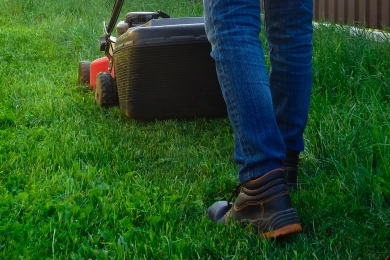
Once the grass is established, it's crucial to adjust your mowing routine to accommodate the shaded environment. Mow less often, allowing the grass blades to grow slightly taller to compensate for lower light levels. This approach aids in promoting deeper root growth and strengthens the lawn’s resilience to shade and other stressors. Cut the lawn with sharp mower blades at a higher height than usual to help the grass roots grow deeper and make the grass more resistant to shade, allowing it to thrive in its new conditions.
Maintaining:
To ensure the long-term health and resilience of your shaded lawn, it's essential to maintain a consistent watering schedule, taking care not to overwater or underwater. Additionally, consider using a fertiliser that is specifically designed for shady grass, as this will provide the necessary nutrients for your grass to thrive in its low-light environment.
Related information
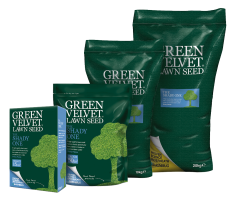
The Shady One
-
Shade tolerant grass seed
-
Ideal for areas under full or partial shade
-
Improved tolerance to common diseases
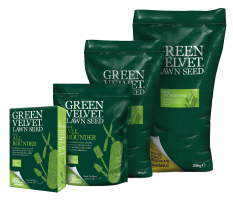
The All Rounder
-
A great everyday grass seed for areas of grass that get everyday use
-
Rapid germination and establishment from the perennial ryegrass grass seed
-
Withstands heavy foot traffic and wear
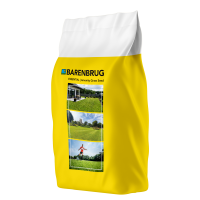
E8 Shade and/or Drought
-
Suitable for shaded lawns or general landscape areas with low light levels
-
Thrives in shade as well as areas of full sun
-
Creates an attractive turf