
How to Overseed Your Lawn
Overseeding, a technique used by professional groundsmen, is a simple yet effective way to thicken your lawn and crowd out unwanted weeds. By sowing new seed into your existing lawn, you can create not only a healthier lawn that improves the appearance of your garden but it also reduces the need for chemicals, making it a cost-effective and environmentally friendly option.
Neglecting to overseed can lead to a thin and unhealthy lawn, making it vulnerable to weed invasion. However, with regular maintenance, you can achieve a beautiful and thriving green lawn that's free from unwanted weeds. With minimal effort and time, you can reap the rewards of a well-manicured thicker lawn that's both aesthetically pleasing and beneficial to the environment.

Where to Overseed: Identifying the Right Areas for a Healthy Lawn
Overseeding is an invaluable procedure for lawn care, but it's not always necessary to do it across the entire lawn. By identifying the specific areas in your pre-existing lawn that need attention, you can target your efforts and achieve maximum results. So, where should you overseed? Here are some key signs to look out for:
- Poor condition: If your lawn is looking tired, worn out, or patchy, it's likely due to a lack of healthy grass growth. Overseeding can help fill in gaps and thicken up the turf.
- Thinning or bare areas: If you notice spots where the grass is thinning or bare, overseeding can help restore the lawn's natural density and texture.
- Weed invasion: If weeds are taking over certain areas of your lawn, overseeding can help crowd them out and create a healthy environment for your grass to thrive.
By focusing on these areas, you can create a more balanced and healthy lawn that's better equipped to resist weeds and disease.
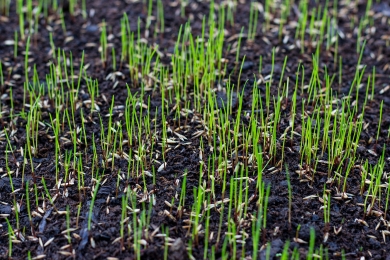
Timing is Everything: The Best Time to Overseed Your Lawn
When it comes to overseeding, timing is crucial for achieving the best results. The ideal time to overseed your lawn depends on your location, climate, and the type of grass you have.
In the UK, the best times to overseed your lawn are March to early May. This is because spring is a great time to overseed as the weather is mild, and the soil is still moist from winter rainfall. This allows newly sown seeds to establish themselves quickly and grow strong before the heat of summer. Late summer, (early autumn to late September) is another excellent time to overseed, as the weather is cooler, and the soil is still warm from summer. This allows newly sown seeds to germinate quickly and establish a strong root system before the winter.
Avoiding the Wrong Time
While these periods offer optimal conditions for overseeding, it's essential to avoid seeding during the wrong times. Specifically, late June and July in the UK are best avoided due to excessive heat. During these months, the heat can be intense, which can lead to seedlings struggling to establish themselves. There is also a lack of natural moisture and summer droughts can make the germination process challenging.
By understanding the best times to overseed your lawn and avoiding the wrong times, you can set your lawn up for success and achieve a healthy appearance.
How?
The overseeding process is not just a matter of scattering some seeds around – it requires a strategic approach to ensure success.
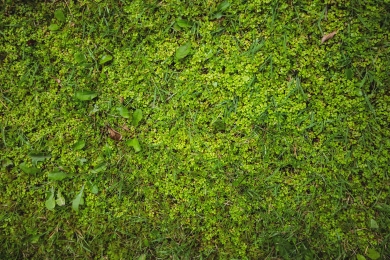
Step 1: Weeds
Before you start overseeding, it's essential to remove any weeds and debris from the area. If you need to kill off any weeds or moss, do it a week or so before scarifying to prevent any new grass from being killed by the weed killer.
Step 2: Mowing
Next, mow your lawn when it's dry. Mow down as low as possible to minimise competition from existing grasses. This will give your new seeds the best chance to establish themselves.
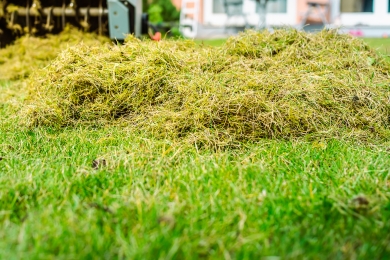
Step 3: Dethatching/Scarifying
Now it's time to scarify or rake the thatch and grass clippings. A heavy layer of thatch can prevent seeds from germinating and establishing properly, so it's essential to remove as much as possible. Use a rake or a scarifying tool to gently loosen the thatch and remove it.
Step 4: Compaction/Aerating
Compaction is a major issue in many lawns, and it can prevent water and air from reaching the roots of your grass. Aerating your lawn, the process of creating small, shallow holes in the soil to enhance air circulation, will help relieve compaction and waterlogging, making it easier for your new seeds to germinate. This process can be achieved manually using a fork or spade, or mechanically with specialised equipment.
Step 5: Topdressing*
Apply a thin layer of topdressing over the entire surface of your lawn. This will help your seeds germinate and provide added nutrients for your seedlings to thrive. Remember, too little is better than too much – too much topdressing can lead to existing grass being buried and dying.
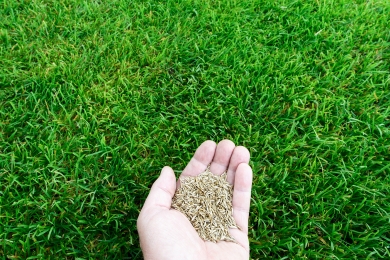
Step 6: Seeding
When it comes to choosing a seed mix, don't go for the cheapest option. You get what you pay for, and a high-quality seed mix will give you better results. Make sure the type of seeds are compatible with your grass type and climate. Sow the seed according to the instructions on the packet, using either a hand or a drop spreader.

Step 7: Raking
After seeding, rake the lawn lightly to help the seed make firm contact with the soil. You can also roll or walk over the seeded area to press the seed into the top layer of soil. This is crucial, as seed that doesn't come into direct contact with the soil won't germinate.
Step 8: Lawn Feed
To encourage healthy growth, apply a balanced fertiliser before or after seeding. This will help your new grass shoots grow strong and healthy.

Step 9: Watering
Grass seed needs moisture to germinate, so water your lawn immediately after overseeding. Continue to water regularly for the first few weeks and in dry conditions to ensure proper grass seed germination and establishment.

Step 10: Mowing
Finally, it's time to get your lawn mower out. Mow regularly, but avoid removing more than a third of the growth at any one time. When your grass blades reach 5-8cm (2-3in) in height, cut it for the first time. Trim lightly and gradually lower the blades to an ideal height of 25mm (1in) for mixtures containing ryegrass and 13mm (1/2in) for non-ryegrass mixtures.
* Topdressing a lawn involves applying a blend of materials, including soil, sand, loam, and peat, over the lawn's surface to enhance its appearance and health. The key is to mix the materials in a way that matches the existing soil composition, ensuring a seamless blend with the root zone.
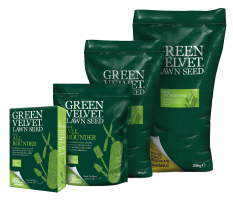
The All Rounder
-
A great everyday grass seed for areas of grass that get everyday use
-
Rapid germination and establishment from the perennial ryegrass grass seed
-
Withstands heavy foot traffic and wear
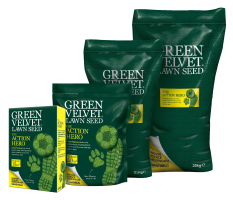
The Action Hero
-
Hard-wearing ryegrass mixture
-
Has substantial ability to withstand wear and tear
-
Gives an attractive lawn that’s extremely tough
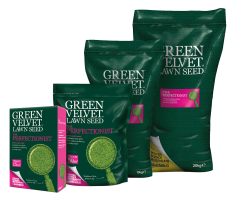
The Perfectionist
-
High quality and beautiful looking lawn from this premium grass seed
-
Luxurious, quality look for areas with lower levels of traffic and wear
-
Improved tolerance to common diseases
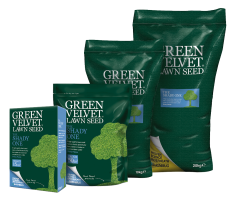
The Shady One
-
Shade tolerant grass seed
-
Ideal for areas under full or partial shade
-
Improved tolerance to common diseases