Best Practices for Cutting and Managing Multi-Species Swards
Cut some slack for those multi-species swards
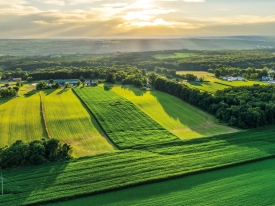
It’s been a few years since multi-species swards became more than a curiosity, a move inspired by – if not driven by – the mushrooming interest in regenerative techniques.
The multi-species sward might just be one of the best ways of combining grass, herbs and legumes for the greater good: better soil, better grass, better animals, better farming.
Building a Resilient Ecosystem
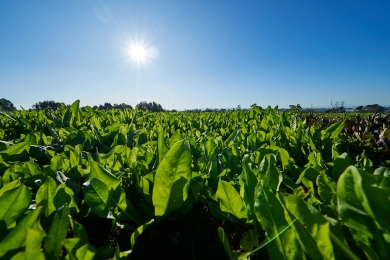
By keeping that soil protected from the effects of heavy rain and damaging sunlight by a layer of multi-species vegetation, rooting to varying depths, you’ve created a fully functioning ecosystem that – without any further input – uses, exploits and leverages the natural interactions between microbes, fungi, roots, exudates and growing plants.
Multi-species swards have proved the best, most accessible way to ‘wean’ yourself off the ‘one size fits all’ grass orthodoxy we’ve pursued for at least half a century.
Supporting the Farm Fodder Flow Concept
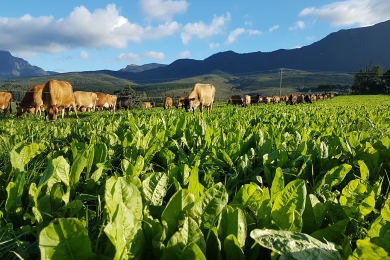
Multi-species swards also lend themselves perfectly to our establishing concept of Farm Fodder Flow – the premise that matches the farm’s productive capacity to the animals’ dietary needs. When undertaken to perfection, Farm Fodder Flow will not only help you reduce the need for bought-in feeds, but also reduce your own concerns about whether you’ll have enough home-produced feed to achieve that.
A Growing Trend Across the UK
There’s no data – yet – on how many farms have taken the plunge with a multi-species sward. But by our reckoning – keeping our eyes peeled on trips around the country – there’s now a fair few hectares of these resource-rich swards keeping stock well-fed and soils healthy.
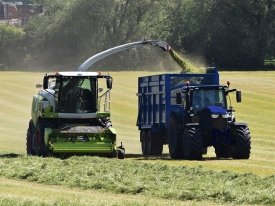
Making Silage from Multi-Species Swards
So, what if you want to make silage from your multi-species swards?
All well and good, of course. Filling the clamp with a cut from a multi-species sward makes great silage. But the aftermath – that’s where a little knowledge can go a long way. The operative term, in any multi-species sward, and however you’re using it, is ‘population dynamics’. It’s even more relevant when silaging these swards.
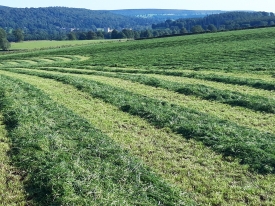
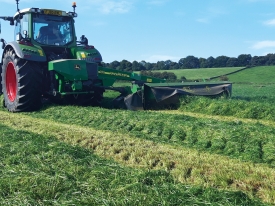
Cut Higher, Not Harder
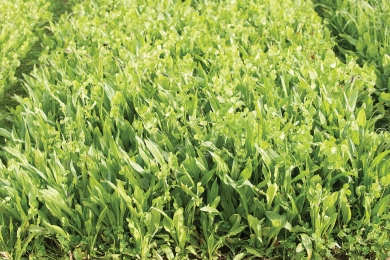
We’ll put it bluntly. Don’t smash them. Treat them with some favour by cutting them a little higher than you would for a ‘standard’, full-on perennial ryegrass sward. Rather than the 5cm you might target for perennial ryegrass, set the mower a little higher and aim for 8cm.
Protecting Herbs and Legumes
Why? Well, those beneficial herbs and legumes don’t like to be cut too low: their growing point is higher, and the regrowing period longer, than perennial ryegrass.
So, although the mixture has a perennial ryegrass base, cut that multi-species sward some slack. Switch up the management plan if you want to give your herbs and legumes the advantage – and keep them in the sward as long as biologically possible.
Because…if you carry on managing for perennial ryegrass, then your marvellous, beneficial multi-species sward is going to end up as... perennial ryegrass.