Second Cut Silage Strategy: Focus on Quality, Not Just Yield
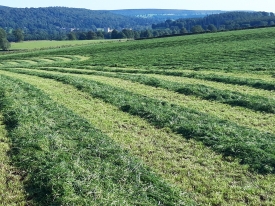
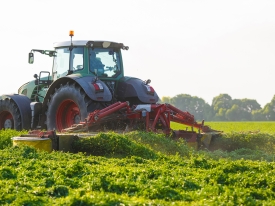
Better silaging weather may afford an earlier first cut, but farmers are being urged to be ‘moderate’ in their approach to second cuts.
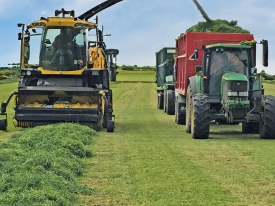
“It’s very tempting, after a season of ‘smash and grab’ silage-making, to want to take advantage of better conditions and rebuild stocks,” says Barenbrug’s Agricultural Product Manager, Janet Montgomery.
“Striking a balance between conserving feed and conserving swards is key. In difficult years, we’ve had to take whatever chances we had to cut and cart—often putting quality second. But when the weather allows cuts on our terms, we should take full advantage.”
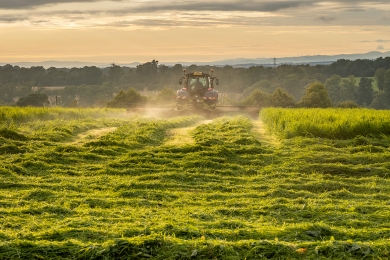
Silage Quality Still a Challenge
Janet points to silage analysis results from NWF Agriculture and Trouw Nutrition, revealing ongoing challenges around forage quality, quantity, and livestock performance.
Adam Clay, NWF Agriculture’s Head of Technical, says concentrated feed usage over recent winters has increased, suggesting silages haven’t always performed as expected. “Trouw’s analysis has shown that first and second cuts often average over 33% DM with pH levels around 4.1–4.2, so stability should be good under standard clamp conditions. “Energy levels tend to be around 11ME and 10.9ME for the two cuts, with protein levels of 14.4% and 13.5%,” he notes.
However, both cuts are often let down by low sugar levels. “At around 1.7% and 2.3%, this can affect intake—often due to poor growing conditions,” he explains.
“We can’t control sunlight, but we can cut grass in the afternoon when sugar levels are highest. And a pre-cut grass analysis—checking that nitrates are below 1,000mg/kg—helps ensure rapid fermentation in the clamp.”
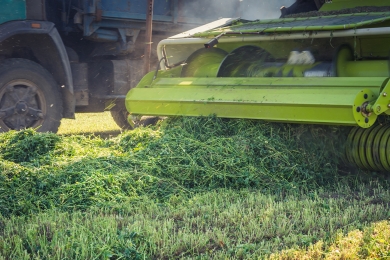
Cut Timing Matters for Future Growth
It’s not just about silage quality, adds Janet. “Get the cutting date right, especially around heading, and you’ll set the sward up for both quality and quantity in future cuts.
“Try to cut just as the seed head starts to rise. This removal ‘resets’ ryegrass, encouraging daughter tillers to emerge. These tillers boost sward density and biomass for later cuts.”
Don’t Cut Too Low
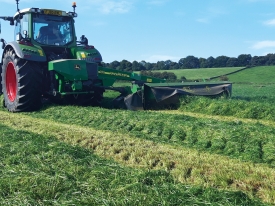
She also warns against taking too low a cut. “It’s a false economy. Removing too much can compromise regrowth and reduce yields down the line.
“Moderate the mower and allow the sward to rebuild. Otherwise, you risk limiting the production of those vital daughter tillers.”
Janet recommends a minimum cutting height of 5cm for grass or grass/clover mixes, and closer to 8cm for swards containing herbs, legumes, or white clover.
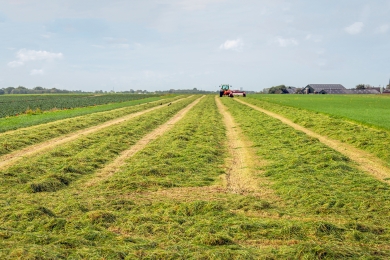
Build Resilience for the Season Ahead
Resilience is the watchword, she concludes. “There’s always some risk of a dry summer. By cutting at the optimum time and leaving a healthy residual, you not only improve silage quality but give your sward the best chance of performing later in the season—whatever the weather brings.”