Rethinking Reseeding: Building Resilient Grasslands for the Future
Michaelmas, September 29th, is fast approaching. Traditionally it marked the start of the new farming year: the harvest was finished, leases paid, new hires made, and plans laid for the year ahead. It remains relevant today: time to review, time to rethink, time to test new ideas.
New ideas? We’ve been growing grass for so long it might seem like there’s nothing new left to explore, but if ever there’s a time to think about trying new things it’s now.
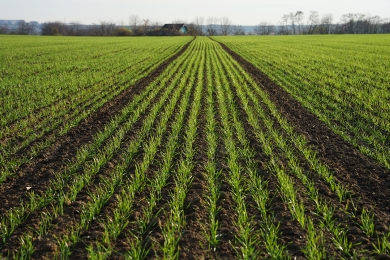
Every Field Tells a Different Story
In part, it’s because not every field is the same. You’ll know from your own farm how the performance of different fields compares. There’ll be one that, although convenient for its proximity to buildings and favourable orientation, stays wet late into spring. Or there’s a field that performs with negligible difference year-on-year, no matter what the weather throws at it, providing reliable cuts that fill the clamp.
You’ll be able to think of your own examples, because they’re there on every farm in the country.
So why, when it comes to reseeding, do so many of us take a uniform approach and sow the same mixture – perhaps with a few minor alterations – as we did last time?
OK, intrinsically there’s nothing wrong with that approach. You’ve got a mixture that performs, you know it works well in your soils and your locality, the milk keeps on flowing and your beef buyer’s cheques continue to arrive.
But could you be doing something different? And if you do choose not to do what you’ve always done, what could that different thinking bring to your farm?
Now, we can’t provide you with specific answers to that question, not least because no two farms are the same. But we can give you some ideas of why thinking differently might change your farm for the better.
Adapting to Changing Conditions
First up, compare 2024 with 2025. It’s not often we get such extremes back-to-back. It’s even less common to have a record-breaking summer declared just seven years after the previous one. Some of you might even have leys that (just) made it through two record-breaking summers as well as the record-breaking rainfall that came between them (and if you do, by now they’re probably prime candidates for rejuvenation).
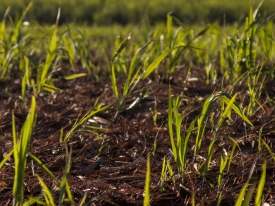
What to replace them with? Well, that last paragraph puts the challenge into context. Isn’t it time to think about including deeper-rooting species in a ley, using them to help extend its life and provide a more drought-tolerant option that will still perform in the wet? Reseeding’s a big investment; perhaps it’s also time to rethink the value of those two-year leys in favour of permanent pasture (another vote for multi-species).
Peak Production
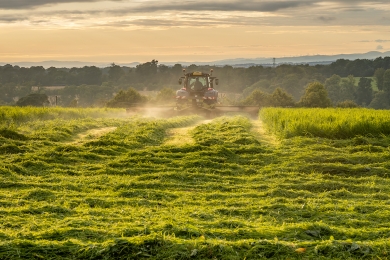
Then there’s timing to consider. 2024’s wet weather made for ‘smash and grab’ silage-making: cutting by opportunity rather than design.
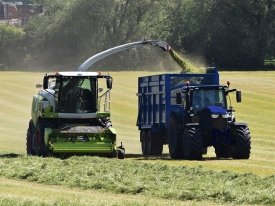
While there’s never any expectation of beating the weather, rethinking your silage strategy to increase flexibility may prove helpful. Consider, for example, a multi-cut approach – taking smaller cuts more often – or deploying mixtures with different heading dates in different fields, to spread out peak growth for harvesting. Such moves can improve your chances to take a cut at optimum times, maximising quantity and quality.
Productivity
We’re talking weeds. Weeds take up space where grass should be growing. Bottom line is a reduction in livestock output for any given area.
Pasture assessments will, amongst other benefits, help you identify the fields that suffer most from weed incursion. Conventional control methods might solve some of the problems but also consider how you can create opportunities: winter break crops can provide both a valuable forage option as well as simple yet highly effective weed control.
Farm Fodder Flow
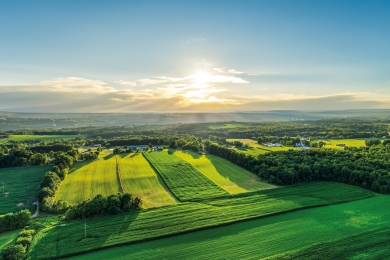
Ultimately, make sure anything you try fits neatly into your Farm Fodder Flow (FFF) strategy. Does it allow you to (better) achieve your production goals, without creating liabilities for availability of labour or machinery, for example? Will a change in thinking help to resolve any previously identified shortcomings or obstacles in FFF? Most important of all, will a different mindset improve farm resilience?
If the answer to one or more of these questions is ‘yes’, then my job here is done: you’ve identified how your farm can benefit by thinking differently.
Happy Michaelmas!