Grazing Management: How to Extend the Season and Protect Spring Covers
Observe a few simple points and your grazing schedule will thank you.
It’s all about budget. Not just the monetary kind, but your grazing budget too.
By extending your grazing season and having your animals harvest their own food for as long as possible, the easier it becomes to manage both those budgets. Never will we tire of saying it: quality home-grown forage remains the most cost-effective feed for every type of stock.
That could prove especially true this year. We have not had a good year for silage. Sure, we’ve had the weather to cut it, but there hasn’t been the rainfall to grow it. That’s prompted real fears of an upcoming winter forage shortage.
That’s especially true in years when grass growth has been uneven. Even with ideal cutting weather, a lack of rainfall can limit silage yields and raise concerns about winter forage shortages. Making the most of autumn or late-season growth can therefore make a real difference to your winter feed balance.
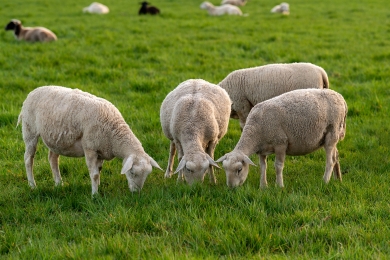
Extending Grazing: How Sensible Is It?
So, how sensible is it to take advantage of autumn growth and leave animals outside for longer?
The answer’s in two parts. First, whatever you do, don’t be guided by the calendar alone. There’s no hard-and-fast rule that dictates when animals should be brought inside. Any number of factors are at play in deciding that date, and many of them – weather especially – are beyond your control.
Second – and this is by far the most important – think about what you’ll need in the way of your spring covers. Where do you want your fields to be in spring? Which fields do you need for early turn-out, or for ewes and lambs? Work back from there to decide by how long you can afford to extend your grazing in winter.
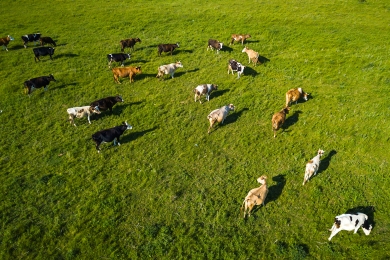
Smart Grazing Management
Another tip: think about any fields you don’t mind sacrificing, i.e. overgrazing or even, if the weather turns, being less concerned about poaching at water troughs and feeders. Perhaps you’ve fields nearing the end of their expected lifespan, or a pasture assessment has indicated a need for reseeding or overseeding. If you don’t need to use those fields come spring, then you can afford to let the stock graze longer.
Plan Ahead with Farm Fodder Flow
Ultimately, we’re back to our Farm Fodder Flow (FFF) philosophy. Know what you need, know what you have, know what other factors need consideration – and plan accordingly.