4 Steps to Success - Step 4: Establish & Develop
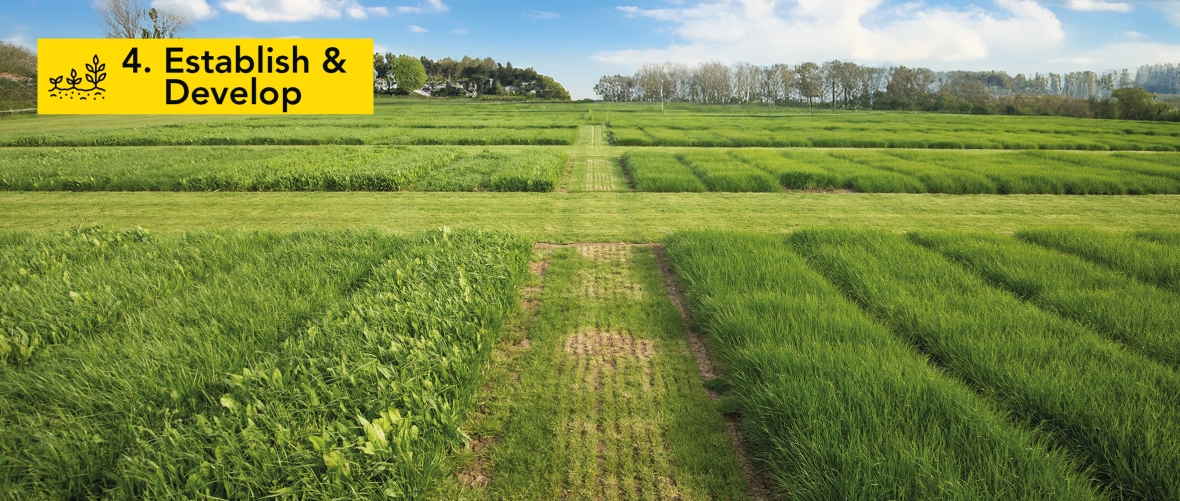
Step 4 of our 4-step guide, covers overseeding, reseeding, and managing your grassland.
To Reseed or Overseed?
Choosing whether to go for a full reseed or to overseed can feel like another difficult decision - so feel free to use our field indexing system on step 1, as a guide.
Generally we suggest that:
Field Indexing 2 – 4 = overseeding
Field Indexing 1 = reseeding
Overseeding
A short- to medium-term fix
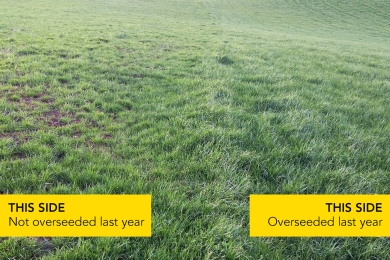
Overseeding is a short- to medium-term option that can provide a quick fix and is an effective method of improving pasture productivity with lower costs than a full reseed. Overseeding is ideal for not taking a field out of rotation, but needing to ameliorate the quality of some fields and the productivity of the overall platform.
While new swards typically outperform older ones, overseeding can help to increase dry matter yields short-term – reducing reliance on purchased feed. Implemented carefully, overseeding has the potential to improve pasture productivity between 30% - 40% for 3-4 years, depending on field quality and species used.
When overseeding, it is crucial to use a mixture designed specifically for this purpose. Existing grasses in the ley already have an established root system to access nutrients, moisture and an established leaf canopy to capture light for photosynthesis. Any grass seed that is introduced needs to be able to compete in these conditions and overseeding mixtures are formulated accordingly. White clover can also fill in gaps to reduce weed ingression and improve pasture quality.
Check out our overseeding steps below to find out more.
Overseeding Steps
1. Dig
Dig a soil assessment pit to look for compaction and plant rooting structure, which should go 30cm deep in a perennial ryegrass/timothy sward. Address compaction with aerators or sub-soilers as needed.
2. Soil Test
Soil test to assess pH and nutrient levels in the top 4” of the soil. This is particularly important in high rainfall areas where nutrients can leach out with water. Check what plant species are present, both sown and weeds.
If grass weeds make up more than 30% of the sward, harrow hard to remove them as they are usually shallow rooted and pull out easily. With a sward of more than 70% weed grasses the best option is to reseed the sward.
3. Minimise competition
Minimise competition to new seedlings by grazing tightly with sheep or taking a silage cut. DO NOT fertilise before overseeding, as this will favour existing plants and increase competition to the new seedlings.
4. Weed Control
Control perennial weeds before seeding by spraying with a selective herbicide on advice from a BASIS qualified agronomist. Observe chemical withdrawal periods for adding grass and clover.
5. Seed Bed Preparation
Use a spring tine harrow to remove any dead stalks, thatch and shallow rooted weed grasses. Make sure that the tines are working the top 1cm of the soil as this will create the seed bed for the new seeds.
6. Sow
Choose a grass seed mixture designed for the job. Sow when the soil conditions are neither excessively dry nor wet and use a specialist mixture designed to establish rapidly.
7. Roll
Roll the sward to ensure good seed contact with the soil and to conserve moisture.
8. Graze
Graze lightly, do not pull out of the ground. This will encourage tillering and allow light into the sward. Continue at frequent intervals until the plants are well established. See further below for information on the first graze.
Reseeding
For Fields Beyond Repair
Reseeding is an investment. Taking the time to reseed properly will set up a field for a long and productive contribution to the farm. Careful consideration of all the steps for reseeding will be well worth the time taken (see below for Reseeding Steps).
An important consideration for reseeding is the product being sown, taking into consideration the production goals and other questions for the field that were considered in Step 3. Careful selection of species, variety, and mixtures will be very important so that all goals can be met practically. Information on grass, clover, and herb species can be found in Step 3, and for up to date information on mixture products visit our Agricultural Products page.
Reseeding Steps
1. Dig
Dig a soil assessment pit to look for soil structure and plant rooting structure. The pit should be 30cm deep in a perennial ryegrass/timothy sward. Address soil structure issues, such as compaction or panning, as required.
2. Soil Test
Soil test to assess pH and nutrient levels in the top 4” of the soil. This is particularly important in high rainfall areas where nutrients can leach out with water. Take necessary steps to rectify any issues as well as practically possible. Check which plant species are present, particularly weeds, as this will inform a plan for weed control before and after reseeding and early in the life of the new pasture.
3. Seed Bed Preparation
This can include a full plough and cultivation, a chemical termination of the existing sward, direct drilling or a light till. These decisions will depend on philosophical approach to tillage, weed species present, farm rotation, and other environmental and management goals. Regardless of the approach, the goal of seed bed preparation is to plant into a fine, firm and clean seed bed to give the seed the best change of establishment.
4. Drill
Regardless of the type of machinery being used, it is important to plant forage seeds at an appropriate ground speed, so that the relatively small seeds are placed at a consistent and appropriate depth. Seeds placed too deep can take extra time to emerge or may not emerge at all, resulting in a patchy sward which allows ingression of weeds.
5. Seed To Soil Contact
Ensure good seed to soil contact by rolling. Seeds absorb moisture from the soil to begin the germination process, so good contact with soil means the process starts promptly, and germination is faster and more uniform.
6. Weed Control
Weed control by all means possible will always benefit the quality of the new sward. The best defence against weeds is a strong grass stand, so protecting the young forage plants while the sward fills in will pay dividends over the life of the field. Grass and clover seedlings are not particularly competitive and can be overwhelmed by high weed populations, making the stand patchy and thin later on.
The First 12 Months Are Critical
Newly sown leys should be considered as ‘establishing’ for the first 12 months. Many new leys can achieve high DM yields in the first year, even though their rooting structures are still developing - but management during the first year is critical to achieve long-term persistency and performance as a stronger root system is better.
• Treat your grass like a crop, as it has a high value
• New grassland responds well to light applications of fertiliser
• Be mindful of weeds, and control early
• Wherever possible, use grazing best management practices, and avoid damaging the new ley. Measure and monitor
Try The Pluck Test
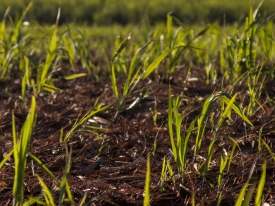
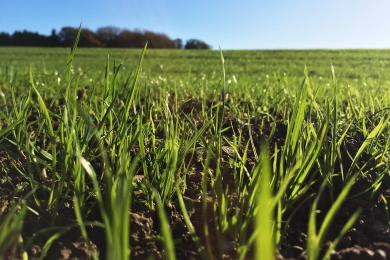
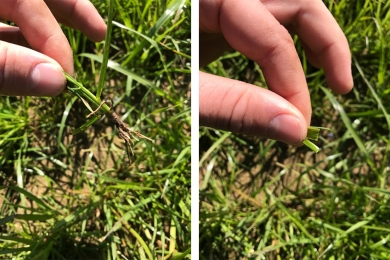
Grasp the ryegrass seedling firmly between your thumb and forefinger, then tug in a single, quick movement (to mimic an animal biting). If the leaves break off and the roots stay in the ground (bottom right picture), the pluck test is passed. If the entire plant’s roots pull out of the ground (bottom left picture), it is too early to graze.
First Grazing Of A New Sward
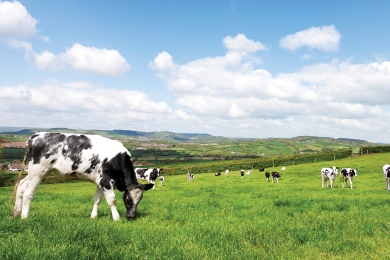
The role of first grazing is to allow light to the base of the sward to stimulate tillering and enable clover to flourish.
Remember:
• First grazing is not about feeding animals, its about removing the tips of the plant to encourage new growth and ensuring clover has access to light and an opportunity to establish
• Don’t graze too soon. Understand how the ‘Pluck Test’ (pictured above) can help timing. This may be 6 – 8 weeks under good conditions for perennial species
• Always use the lightest stock class available and leave a 4-5cm stubble to allow the plants to recover quickly
• In spring, don’t let the cover build up too much as this can reduce quality and limit tillering
When To Graze
Grazing Too Early
Grazing grass too early – before a second leaf appears on a tiller – can damage grass persistency. If a plant’s reserves have not been fully restored, it will require more time for the plant to regrow and recover. Repetitive early grazing can permanently decrease grassland yield, persistence and resilience. Grazing at the right time is especially important through dry summer periods when plants are under dry stress; grazing the first new growth after a period of dryness and before a tiller has 2 and a half new leaves in place can seriously harm the sward.
Grazing Too Late
If grass is left to grow too long (>3500 kg DM ha or more than 3 leaves per tiller), bottom leaves will start to die off, and there will be little additional contribution to biomass. If the sward isn’t grazed or cut this can cause a build-up of dead material at the base of sward leading to:
• Reduced quality and reduced meat or milk yield
• Increased risk of disease, as rust and other fungi can build up on dying leaves
• Reduced clover content due to shading
• Decreased grazing intake and utilisation, leading to a lumpy field without uniform grazing height
First Cutting
When cutting leys, do not cut too low, this will depend on the species present. This is to allow speedy regrowth from live, green basal leaves which can photosynthesise
Cutting too low means the plant has to use energy from its reserves to regrow. It can also significantly reduce persistence of certain species such as red clover
Try and avoid making heaving cuts of silage, haylage or hay within the first 12 months as this reduces tillering and persistency
Weed Control
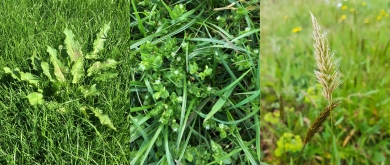
Weeds compete with the grass ley, nutrients and moisture. Many weeds will thrive in newly sown leys where competition is lower.
Tackling weeds is essential as they can:
• Lead to grazing rejection of weeds as well as the grass around them; this means wasted feed but also increasingly patchy and lumpy fields
• Reduce the palatability of the sward
• Decrease the digestibility of the sward
• Be injurious when ingested
• Be poisonous e.g. Ragwort
• Set seed, contributing to the growing weed population and soil seed bank
• Host diseases and pests
Weed control can take many forms, and is best approached with a combination of methods and timings. Depending on the weed species present, consider mechanical removal such as mowing or grazing, and chemical options where appropriate.
Take a look at our Weed Identification list to find out more.
7 Habits For Effective Grassland Management
• Control weeds
• Limit soil damage (compaction or poaching) wherever possible
• Make a fertiliser plan - soil test and take a long-term view
• Set up fields to promote even and consistent grazing; this can include altering field size based on the number of animals, and the position of water trough and gates, but also minding the size of flock or herd and how long they are in a field
• Graze to an appropriate residual, leaving at least 5cm of plant behind so that the first leaf can regrow efficiently
• Rest the field long enough so that the ryegrass plants have a chance to replenish their reserves; ideal time to return is at the 2.5 - 3 leaf stage, also coinciding with when pasture quality and quantity is optimised
• Consider mowing to even up a field and maintain the grazing height, particularly during reheading season or if patches are consistently ungrazed
Fertiliser
Current soil tests are the best way to measure and manage the nutrient and pH profile of your soil. Ryegrass swards are responsive to nutrient additions, particularly in light and frequent applications.
Aim to maintain a soil pH of 6 or above, and soil nutrients at the appropriate levels for soil type. Feed soil including nutrients removed as crop or grazing offtake.
The AHDB’s (Agricultural and Horticultural Development Board) Nutrient Management Guide (RB209) gives information for all cutting and grazing regimes for fertilisers as well as values for slurry and farmyard manure. Monitor areas that are prone to compaction, like gateways and around troughs, to ensure soils are not being damaged. Also, wherever possible, strive for optimal grazing management so that grass plants and populations are kept in good condition. For more information on grazing management, please see above in the section 'First Grazing Of A New Sward'.
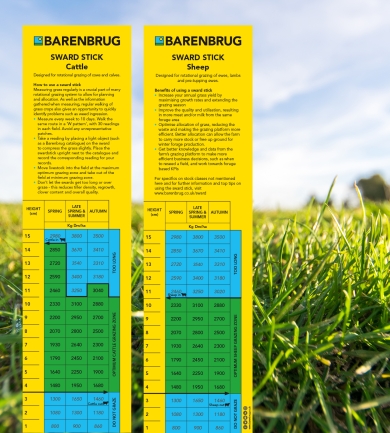
Sward Stick
Knowing when to graze grass and for how long requires careful judgement. To help farmers gauge when to graze grass, we’ve developed a brand-new sward stick, which is available completely free of charge. Printed with the optimum heights for grass for both sheep and beef, our sward stick is designed to help growers decide when to turn livestock out, and when to adjust grazing pressure.
We recommend using sward sticks on a weekly basis – to build up a log of grass growing information. Walk all relevant fields once a week to monitor sward height. Following a similar route each time, take 30 to 40 readings per field – before calculating an average and recording it in a notebook. This information can then be used to aid decision-making and for longer-term seasonal and year-on-year assessments and adjustments.