A Day in the Life of a Fieldsman
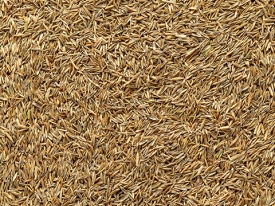
What’s in a bag of seed? If it contains one of Barenbrug’s ryegrass varieties, like Banbridge introduced in 2025, then that seed has been grown in the UK, on a UK farm, by one of our specialist UK growers.
And as Barenbrug’s UK fieldsman, I look after them all.
Sebastian Blanch is a Fieldsman for Barenbrug UK. After graduating from Harper Adams with a B.Sc. (Hons) Agriculture, Seb joined G’s Fresh, where he discovered his appreciation for niche crops.
Growing seed in the UK
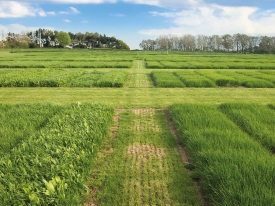
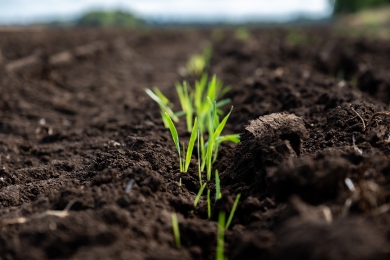
Ever since Barenbrug began breeding ryegrass varieties for the UK, more than 40 years ago, it undertook to grow that seed here. Today, we grow more than 3,000 hectares of grass seed crops every year. From Kent to Yorkshire, and from Dorset to Suffolk, I’m the ‘face of Barenbrug’ for those growers.
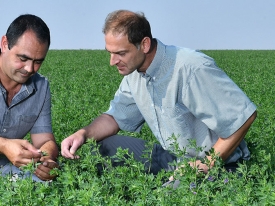
Thus, a typical day is likely to find me eating up the motorway miles across the country, before inspecting half a dozen crops and chewing the fat with our growers. Then I’ll head back to the office to process paperwork and check that the results from seed sample tests are satisfactory and correctly logged.
Building relationships with growers
We’ve about 60 growers producing seed. Often, they’ll grow our amenity varieties too. They find it amusing when they’re cheering on the rugby, settling in to watch a few sets of tennis from Queen’s, or watching the pros battle it out on the Old Course, that the grass might have originated on their farm.
But they’re also proud to be growing the seed that their fellow farmers throughout the UK will plant the following season. It’s this seed that grows into the grass on which their animals, and their livelihoods, rely. They see it as a responsibility – producing a good quality, consistent crop.
There are other benefits too. For a start, it’s a premium crop. Growers also report that our varieties are good to grow. But grass seed is also a valuable crop within a rotation. Seed crops are what you might call a ‘short-term perennial’. The crops they’ll sow in spring can be harvested three times, in 2026, 2027 and probably 2028, before that field goes under another crop. Growers might typically undersow the seed crop into, say, spring barley; that’s three or four years of keeping the soil covered, undisturbed, full of precious root matter. That’s a huge benefit for soil health.
Onboarding and supporting new growers
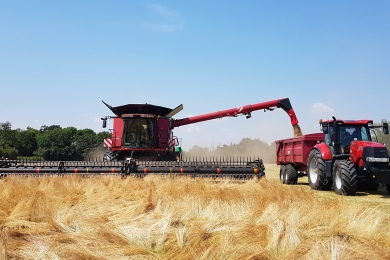
It's a big undertaking, though. Most of our growers are with us long-term. Some of them have been growing seed crops for more than 50 years. Before we contract a grower, I’ll visit them and inspect the farm. I’ll talk through what’s expected of them, the cycle, the process. And then there’s the farm: soil type, are facilities up to scratch, is there a weed problem?
It’s important that every contracted farmer has a point of contact. That’s me. They need to know that I’m easy to get hold of, because if there’s ever a problem with the crop then we need to deal with it as soon as possible.
Planning, testing, and certification
Throughout the winter, Richard Turner (seed production manager) and I are in close contact with the agriculture and amenity teams. We need to predict demand for different varieties and mixtures, decide how many hectares to grow, and which farms will grow them. Some growers will plant as many as six or seven varieties, while others will focus on one or two. I’ll fit this work around an annual trip to the Netherlands, or Denmark, meeting with international seed production colleagues to discuss growing practices, research and new developments.
Then the hard work. Through April, May and June I’ll find myself on the road most days. Many days become an inspection day, ensuring compliance with certification requirements.
The UK’s Seed Marketing Regulations stipulate that agricultural seed must have official certification. It’s good legislation: it protects farmers by guaranteeing that the seed they buy is not only what the label says, but also that it’s pure, will germinate satisfactorily, and is free from contamination.
So it is that I am Barenbrug’s official, licensed seed sampler. The qualification’s issued by ISTA, the International Seed Testing Association. I take a sample from every field we grow, for lab testing to procure the necessary certification. It’s one of the rarer roles in UK agriculture – there’s only a handful of ISTA samplers in the country. Fortunately, Barenbrug likes to have its expertise in-house and – illustrating how Barenbrug is a good company to work for – they ensured I could get my qualification. That sits alongside BASIS, and I’ll have FACTS by the autumn.
Closing the loop
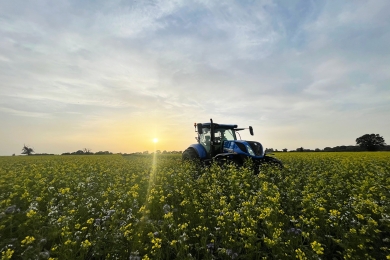
By visiting our 60 growers throughout the season, often a few times, allows me to help them in decision-support, while monitoring quality and predicting likely yields. I share that ‘intelligence’ with commercial manager David Linton and product manager Janet Montgomery. They’ll use it to choose what mixtures and varieties we’ll have in the portfolio for the following year. And it’s important too, that we let the grower know how their crops have performed, in yield and quality.
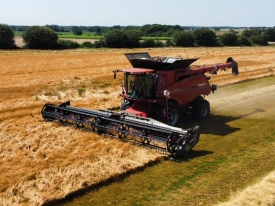
Harvest, unsurprisingly, is critical. It’s prime problem-spotting time. That sounds negative, but in fact it’s a positive – we’re troubleshooting, looking to solve issues before they become a problem. It comes back to why we grow UK seed in the UK; we strive for the highest quality. We can only do that when we’re in constant communication with our growers.
A farmer at heart
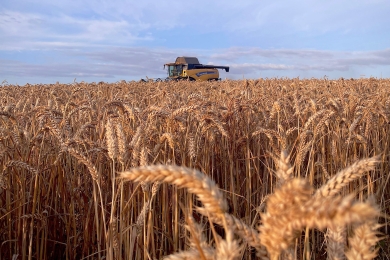
No doubt it helps that I’m a farmer too. I’m a partner in the family farm in North Wiltshire – 400ha of arable, where we’ve our own interest in different crops (although we don’t yet grow grass seed). We have no livestock, but I remain convinced of the power of grass to do good on any farm. It’s fabulous for soil and, given all you can do with it, makes for a profitable crop, particularly as the UK is blessed with a perfect grass-growing climate.
Of course, that means that my own ‘Barenbrug day’ is often bookended by my own farming commitments. Having sat down to write this…now it’s time for a stint on the sprayer!