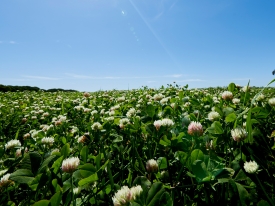
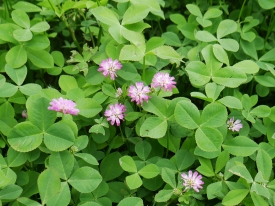
Focus on ‘home-grown’ sparks surge in red clover interest
Buoyant soya prices, carbon reduction efforts and concerns about nitrogen management have caused interest in protein-rich forage, such as red clover, to surge, reports agricultural grass experts Barenbrug UK.
Barenbrug UK Guidelines For Red Clover Success
- Sow in summer, not in spring.
- Drilling rate should be a minimum of 5kg/ha.
- Do not cut clover below 7cm. Manage the growing crown very carefully.
- Allow the crop to reach at least 3500kg DM/ha before cutting. Do not rely on any percentage of flowering figure.
- Use no more than 100kg N/ha/annum.
- Red clover benefits from high P & K levels, so there are no restrictions on organic manure applications.
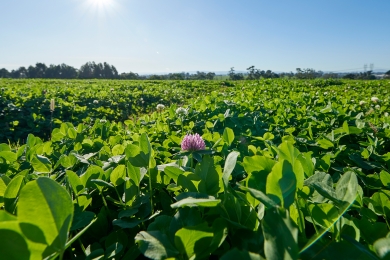
Barenbrug UK Red Clover Top Tips
Enquiries about red clover have been so strong that we have released an updated set of guidelines to help growers sow and manage its red clover varieties most effectively.
Soya has been trading at well over £400/t this year, that’s prompted people to give more consideration to how they source their essential protein ration.
But the thinking is about more than economics, farmers are increasingly aware that we’ve a collective responsibility to reduce our carbon ‘spending’. The National Farmers' Union’s pledge to deliver Net Zero by 2040 has sharpened a lot of minds.
In talking to farmers, it’s clear that they are making more conscious decisions to reduce food miles – high, in the case of imported soya – and trying to cut back on carbon-intensive inputs such as nitrogen fertiliser.
When it comes to nitrogen, red clover’s ability to fix more than 200kg per hectare per year is one of the factors driving its popularity. The post-Brexit policy focus on agri-environmental issues has prompted speculation that the Nitrate Vulnerable Zones' areas could expand, or that there will be an altogether stricter approach to nitrogen applications.

Red clover presents an opportunity to reduce artificial nitrogen, yet maintain a high-quality forage. Defra’s urea fertiliser consultation has increased expectations that things will change, eventually, and we think that’s encouraged farmers to consider how they might adapt their operations, to adopt a more sustainable approach.
Red clover’s palatability and favourable CP of 18-20% makes it a good legume choice in pure grass swards, promoting increased intakes that can boost both milk yield and daily liveweight gain. And as a deep-rooted flowering species, it also has the potential to be beneficial for soil structure, building organic matter and providing a food source for pollinators.
Red clover has the potential to be a very valuable crop for UK livestock farmers, but careful management is required, to maintain its population in the sward.
Research conducted amongst 200 farmers in the Netherlands, where red clover has become well-established, revealed quality, high protein yields, biodiversity and nitrogen reduction were the main factors driving adoption of the legume, and 73% said they planned to continue their use of red clover as an important source of quality livestock feed.
We also looked at the most successful farmers, those having consistent success growing red clover, to identify which management practices delivered the best results, it’s this research that has informed our new red clover management guidelines.
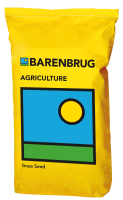
Prota Red
-
A blend of red clover varieties, to optimise performance across a variety of environmental and management conditions
-
Suited to cutting systems because of a more erect growth habit, deep taproot, and crown growing point
-
Fixes atmospheric nitrogen, up to 200kg N/ha/yr